
Talking '80s Music and Career changes
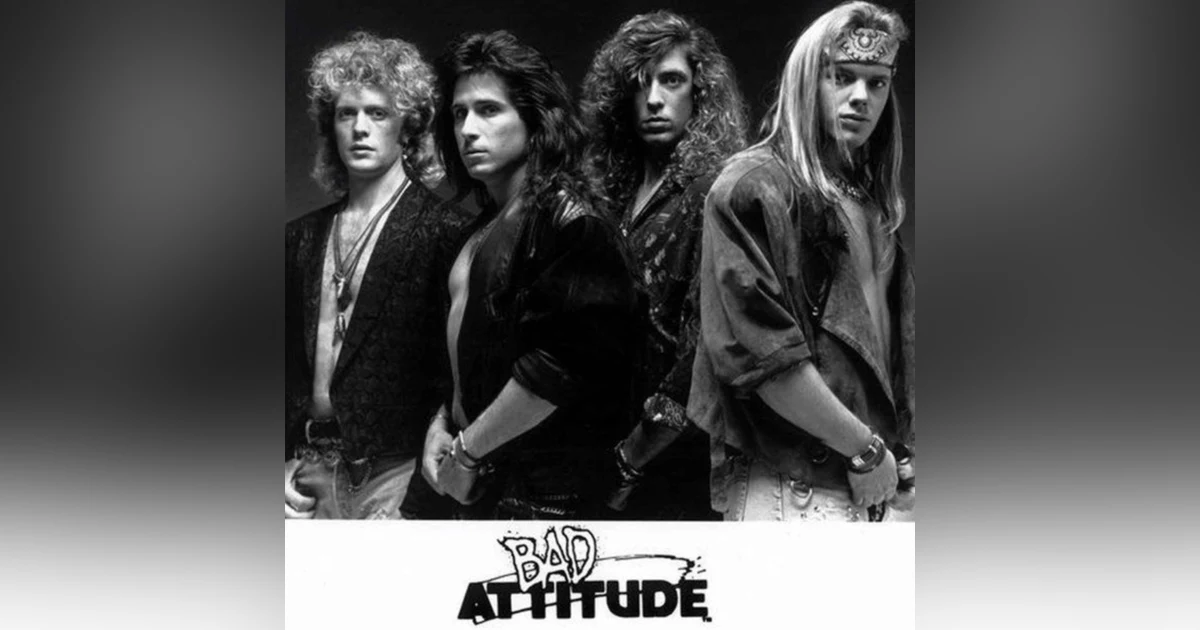


A special guest on Back to the '80s radio is Brian Curtis from the band, Bad Company talks about the good, the bad, and the ugly of bands trying to make it in the '80s. Also on the show, Evan Cassimy, CEO of Interview Pros discusses career changes.
--- Support this podcast: https://anchor.fm/backtothe80s/supportSo you want to make a podcast. Well, with Spotify, it's easy to record, edit and distribute your podcast everywhere. Plus now you can even record video podcasts all for free. It's called Spotify for Podcasters. With Spotify for Podcasters, you can even earn money with ads and subscriptions, and did I mention it's free. Creative tools like video podcast Q and A and pulls put the Back to the Eighties radio show on another level. Download the Spotify for Podcasters app today or go to spotify dot com slash podcasters to get started. One point. Hello and welcome to a very special edition Back to the Eighties Radio. I am Tuscano, the fantastic radio duo Tuscano and Chang here with you every single Friday. Along with me on this magic carpet. Right, of course, is a man who's been spotted at Ride Aid eating thrifties ice cream inside their own freezers. Oh yes, he's also been He's also been seeing cruising in a red Pontiac fierro, claiming that he's going back to the eighties to see the US Festival all over again. We here included add Back to the Eighties. Call him the Wondrous Chang welcome to back to the eighties. This is the chang How are all my little changle danglies out there, everybody out there staying lifted and gifted? Because remember, tomorrow is not promised, so let's enjoy today and live for a better tomorrow. Would you not say so, Tuscano, I am wholeheartedly in agreement with you. I am extra guiney for today's show. Gudea. Let me let our listeners know that we're making a side road, but Tiscanno and I have a very special show. We guarantee you will feel as giddy as Tiscano and I giddy, correct giddy? You like that work? Giddy? I haven't heard that in years. A matter of fact, the only person I ever heard from is you. Well, sometimes I feel but it's better to say giddy. I want to give a very special shout out to all of our Pandora listeners, even for those that give us thumbs up, and especially for those that give us thumbs down. Oh you know what, Tiscano, There's nothing I love more than seeing when we get the thumbs down round of applause. Here's to you. We appreciate it. Yes, yes we did. Now, but before we get it. I want to really thank those thumb givers of down because it takes a lot of effort to continuously listen to us and hate, hate, hate us every single time you put a thumb down, and it's just it's more effort to hate us than it is to love us. You know, we love you guys. I also want to give a very special shout out if you're listening through Apple, Spotify, Google Podcasts, Overcast, Radio Public and iHeart Anchor iTunes and just a ton more man. So we just want to give you guys a big, big shout out for listening to our show, you know, chaying a lot of singles. Check out our Back to the Eighties radio show. And speaking of singles, there's a podcast that I want you guys to check out. It's a singles only podcast where a comedian, Paul Farbar celebrates single hood with other single comedians, actors, musicians, you know, regular folk. It's a place where you can hear single celebrities discuss their dating stories, relationship goals, and real life experiences. Whether you're happy or sad, you're going to be entertained by co host Patty Vasquez as she makes sure that Paul and guests don't get off track as the Voice of Reason find out why. Singles Only Podcast was voted the best podcast by The Chicago Reader last year and was invited to the coveted south By Southwest Festival in twenty twenty. So check them out. Singles Only Podcast listen wherever you get your podcasts, or go to Singles Only podcast dot com. Now we do have a great show for you, so stick around because we're going to be traveling back in time. This is back to the eighties radio. Nobody has the movie I want. Hey, if it's on video, Blockbuster probably hasn't. I mean we have over ten thousand videos. Wow, I'll watch spat Having back tomorrow. I promise. Relax and Blockbuster you can keep your videos for three evenings, so take home plenty hey and use our twenty four hour quick drop. Do you have any children's videos, sure, Blockbusters America's Family Video Store. You know we have more kids videos than any place else in more movies, more night, more fun commercials, dad music good now with zero commercials. Please help supporting us in your donation today. We all going back today eighties. This is back to the eighties radio and as we mentioned to you in the beginning of the show. We've got a great guest. He was on the show before, Brian Curtis of Bad Attitude. Now you know bad attitude because not only do they have an attitude, they've got the musical chops. Brian, thanks for being on the show today as we talk eighties life, music, dreams and upsets. Yeah, Hey, Mario, Hey sharing what's going on. Guys, thanks a lot for having me back on the show. It's my pleasure being here. We love it being man. We love it. When you were here. The first time we talked about bad Attitude, we kind of gave everybody the introduction of what and who is bad Attitude. Go ahead and remind everybody what you do and what you have in store if you've got anything going on with the band this year or at any point during the coming months. Okay. So yeah, So guys, um, you know, I formed the band in Hollywood, California, back in like nineteen eighty eight, and UH me and some guys from the Musicians Institute put the band together. I was the lead singer, wrote all the songs, and uh played lead guitar. Also, we were based out of Hollywood, California and we you know, we played the Hollywood Strip, you know, the Sunset Strip of Tassaries, Tremador, the Whiskey, the Roxy. You know, hung out down there every weekend playing um and promoting at the Rainbow. That was back when when it was really hopping down there on the on the Sunset Strip. So the band we were together for you know, several years. We did an independent record with Straight from the Heart of Music and we played all over you know, southern California, out in Las Vegas and stuff. The band you know, we did, we did really well. We recorded a lot of our music. We got like twenty one twenty two songs that we recorded in the studio that we talked about on the last podcast. All that stuff's out there on Amazon Music is Spotify. You can find us on YouTube if you search. There's a lot of stuff labeled Bad Attitude, But if you search for Bad Attitude band or Bad Attitude music, you'll eventually find us. If you know what our album cover looks like. But it's just been great meeting you guys and getting you know, getting kind of getting the fire going again with the band. You know, I've been in contact with the guys in the band since the last podcast, and we've got a lot of a lot of stuff through and the guys are excited again about many possibly doing a union show. One of the cool things is you still maintain your voice very well. You guys can still play. And a very cool thing aside from all of that package is the name of the band is really cool. It has a total the eighties vibe. Wouldn't you say, Chang that that kind of name captures all of us. I think that we're in the Hollywood, the sunset craze of the eighties and the metal movement kind of it. Just that name captures everything I think about all of us, rock and roll, Hollywood dwellers of the eighties. All of us had a little bit of a bad attitude because that's where the hair comes from, That's where the stance against society came from. Rock and roll will guide your soul. Bad attitude eclipse your band and the hair craise of our generation. Brother exactly. I mean, you know, like we talked about on the last show, that's kind of how the name of the band came about. It was like I got kicked out of a band because I had a band they told me I had a bad attitude, and I'm like, I'll show you got a bad attitude. You get kicked out of bands and you start your own band. You know, we're called bad attitude why because all of us got kicked out of bad because we're a bad attitude high school. We got kicked out of high school for having a bad attitude. And if you don't want to go to the show, we'll go to your house and we'll show you a bad attitude. Go back with us, back to that time when you had those aspirations. There's dreams were so it was like a fire. I'm sure it was like a fire burning in you at that time. And when you got together with your band members, talk to us a little bit about the dream first, and then we'll talk about the struggles. Talk about the dream. Okay, Well, you know, it's like Chang was saying before we you know a few minutes ago when we were just kind of chat. You know, I started off in the high school band in school, in high school, and I wish that, you know what we were saying earlier. Way a lot of the schools don't have that anymore, and which I wish they did because it kind of brings out the music and all of us. And so I was, you know, I was in the in the junior high in the high school band as I grew up, and I knew that that music was a passion of mine. And I think the first time that I saw Kiss on the Midnight Special, it just kind of did it for me. I knew that, you know, I didn't want to play trumpet anymore, right, I wanted to play guitar and be out there on stage in front of all those people and rocking out. And so my parents got me my first guitar, formed my first garage band. We played around and you know, parties and stuff around town, anywhere we could play. I mean, we were a true garage you know, we're practicing in the garage, right. We were a true garage band. And then from there I joined my first top quarty band called the Kids out of Memphis, Tennessee, and we played Top forty and you know, we were playing all around that area. We were really good. We got signed with the management company that took us all over the United States. We ended up playing everywhere from Miami all the way to Anchorage, Alaska, and as a matter of fact, when I when I was in Anchorage, Alaska, that's where I met our guitar player, Lonnie Lead. I didn't know that he was going to be our guitar player at the time, because I didn't run into him again until when we're back in Hollywood at the Musicians Institute. The guy comes up to me and says, hey, man, I remember you. You know you were you were playing an Anchorage, Alaska, And so anyway, so a lot was playing all over the country and playing top forty and that, you know, that kind of got older after a while. You're living in motels and playing nightclubs and stuff, and so I knew that I wanted to do something bigger. So I decided to move and move out to Hollywood, California, and you know, join Musicians Institute, the school, the g T program that was the Guitar Institute of Technology program that they had, And that was really just a way. I was already playing guitar and I'd already been touring around, but that was a way to get me off the road and in the Holly and she kind of maybe hopefully springboard my career out in Los Angeles. And so that's what I did. I packed everything and moved out there and went to the school. I played in a few bands around in La. Like I was telling you one of them one from you know, I'm finding these guys. We're like, hey man, you got a bad attitude. So so I said, oh, oh really, so I've got a bad attitude. I'm going to form a band and call it bad Attitude and we'll see he's got a bad attitude. So from there, yeah, and that's that's kind of the I guess that's kind of how it all got started, the dream of me wanting to become a you know, a musician and being on stage, and then from there, you know, I guess the rest is history. We should say, right, as a rock fan, what was that feeling that used to go through your veins when you were going to see a band? Just what was that feeling? Like it is somewhat like a spiritual presentation being brought out to you because every you get to this show and these people are bigger than life, and their music means so much to you. It's there for you and you're good times or bad times. Perhaps some of the songs that they create touch you on an emotional level. So when you're experiencing the band live. It's almost like going to church or reckoning with those emotions and those feelings. It's a high on a different level. The high that you get just going to watch a live show of a band that you like, or a band that you've heard of, or a band that is just good that you weren't anticipating to see. It's an elevation, it's a mindset. It puts you in a different place, I think than everybody else that you may normally be with. Wow, that's that's really cool that you're saying that, chair because you know, to hear somebody saying that about how they feel being out in the crowd, I mean, that's how we feel being on the stage. I mean it's it's such a rush and such a high and we and just the energy bouncing off of the crowd is what makes it. That's what makes the that's what that's what creates that whole thing between you and the band, the feeling that you're feeling and the feeling that we're feeling, you know, because of gods like you out in the crowd. A live show promotes unity, just like the essence of music as itself, as it was created forms unity, and we need a lot more of that in today's chaotic world. That's a very strong point and it's absolutely true because when you're at a concert listening to any type of music that's live, you forget about political parties, you forget about problems, you forget about divisions, and in that moment, and just during that time, you become one with the crowd, You become one with the band, you become one with the music. Your first time on stage in Hollywood, where was that? And tell me about the feeling you had to mean? Well, you you had to have had goose bumps or something right before you're gonna start singing. Absolutely, Mario, I remember my first show in la It was a it was a very cool club in North Hollywood called the f M Station. Oh yes, guy's become really popular now and they talk about it on air Nation and the Assie's Boone ardened up about all these guys talking or talking about the f M station. It's crazy, but yeah, that was my That was my first gig. Um. I was playing with a band called Heads or tails Um at that time, and that was my That was my first gig. That was my first gig in La I remember that bend. It was unbelievable. It was it was unlike anything out you know, so much so different than like playing top Like I said, I had been playing before I moved to Hollywood. I was playing the Top forty bands, traveling around and you know, and playing different nightclubs and hotels and stuff. Um, it was a totally different scene when you're playing originally, you know, because we were playing covers before, and so now I'm out there in Hollywood, I'm playing, We're playing original songs. We're hoping that something's going to happen, somebody's going to be out in the audience, you know, records guy or whatever, you know, and there's you're hoping for that chance that that someone's going to see you and and you're gonna get signed. I mean, that's what it's all about, right, That's why all the bands were out there playing in those clubs. We weren't none of the bands out there. We weren't playing Top forty covers. Everybody was doing the original songs. And you're you're you're giving, you know, you're just giving it. You're all and you're in you're praying that that somebody is going to be in the audience that that's gonna see it. I mean, that's how a lot of these bands got signed. I mean, you know, like you know, Gene Simmons discovered Van Hale and John Bon Joey you know, discovered Cinderella and in those kind of those those things happen now, Brian, you remember playing the Coach House, the Troubadour, I mean, all all across remember it even bid into Orange County back into the eighties. B Money, remember some of the clubs that we had in Orange County. We're rocking a lot of the hard rock bands. Heck, I remember seeing uh Guns Roses at the cat House. Now, the cat House started a lot of careers. Also, you know Poison got there first start there. So, I mean there's so many clubs you know that we could probably have a whole show be talking about a lot of the clubs where a lot of the golden era of metal was started here in southern California bands, you know, clubs that are no longer their FM station. That club is legendary. Our first show that was at the Troubador. We played Gazaris. It's you know, Gazarires is no was No, that was back when Bill Gazari was still alive, and you know Gazarres is. Yeah, it's a different that's a different name now it's been it's been a different club name for a long time. Right, I'm just so excited. I mean, just recently I saw that def Leppard played the Whiskey and I was like, I was on that stage. You know, it was like so excited to see those guys on that second on. Like I'll tell my wife and I'm like, I was, you know, I was on that stage. She saw the show, so I was there. So you remember Bill Gazaris commercials that kale Wes and Kant and Knee. She used to play, I'm Bill Gazari, the god full of the rock and roll. You wan't the best. I'll give you the best every weekend on my stage at Gazaries, see you on sunset. Every time I heard that commercial. Man, he's got a forty five on somebody's back right now, he's forcing them into a club. He was a nice man, though. Bil Gazzari was a nice man. This is back to the eighties radio and this was Brian Curtis with bad attitude. If you look around you you'll see one he things ain't like thing you used to be. People, places, faces, well the change bull bee He'll do the same sometimes I macam chains gonna five if I can do it all over again. The things the way they used to be our isn't really now? Then I see it out times and change? Why can't things? Should say? See? I see oh out times and change viely only warm blame well, I can't remember the way things used to be here. All crazy things we used to do I didn't have. Can't know about the hall. Yeah, but that's all hall change now. Sometimes I make a days gone by you by and do it all over again. Things the way they usue be or isn't ritten down? Man, I see it at times haven't change. Why can't things just stay the same? I see it oh out time haven't change? Divine only won the Blaine time to change times and change times and change. You're listening to beck to the eighties greatest vocalist, indeed the greatest quasi religious figure of the twentieth century, can only be done. That's right, Tom don Hoe. And when you think of don Hole, what hell do you think of? That? Right? Hawaii? And when you think of Hawaii. There's no denying the headbanger's ball. Escape from the Long Cold Winter. A Cinderella contest one winner in a gast we rocket into the unspoiled tropical paradise of Hawaire. You tell them about a tom You and a friend will escape a long cold winner. See Cinderella in concert. You'll play in the sand, get a tan, meet the fan. And if you're lacking so personal items to the locals for ten times what they're worth. Here's what you do. Send it a hand written postcard. Two mtvs. Escape from a Long Holden It was cinderellicds Peelbox twelve eighty Radio City Station, New York, New York one one one. What about? Oh oh, that was just a nimick. If you can't wear a spandex jumpsuit, what can you do this? Back back to the eighties, Welcome back to Back to the eighties. Chang here sitting here with the b Man from Bad Attitude, And that was a great track. B that track, Oh man, man, it just sets in so well with what we're discussing today and pretty much the topic of the format of our show here at Back to the eighties, How times have changed and only the strong prevailed. And sir, with your vocals, you are definitely one of the strong vocalists that have prevailed through the times had changed. Thank you for being with us on the show, and I guarantee that the listeners are going to have a blast listening to this uh new music you guys have created. Thanks Ali Jay. I'm glad you guys enjoyed that that song that was one of the last songs that we actually uh we actually recorded in bad attitude. Um, and it just it really holds true now, doesn't it. You know, you kind of really oh yeah, times have changed. I mean it's like, wow, I listen to that song and just you know, recording it unplucked for you guys, I'm just singing it. I'm like, wow, um, it seems like I just could I could have written it yesterday. It touches with what we just talked about what music creates, you know, as a guy that went to go check out bands, you know, the lyrical content, the emotional feelings that a song could bring out. And it's so ridiculous when you think about it that maybe five people in the same room as you when you're listening to a track like that, just all of you are on the same level right then and there, you're all thinking the same thing, maybe different memories, but the thought process of mortality is all within those same five people. And that's the beauty I think of music. And that's why individuals like me and cats like you, even though you know you're still playing in a band. That's why we make the music. That's why we go to the music. It kind of gives us a little bit a piece of mind, I think for the musician and we the listeners. Yeah, yeah, I told they agree with everything you're saying. It's really true and really all strong today off the way the music pulls everybody together. You know, before we came on air today, we were talking a little bit trying to make sense of what happened with music in general, and Chang you had mentioned a very good point about the youth and how today the youth has lost something so precious in schools. You know, like I had mentioned, the sad thing is like we come from a generation where music was inverted in class. You know, you had a music lesson high school, junior high you were able to take a musical course. So if you had a guitar. You can take your guitar in there. If you tickle the ivories. You could tickle the ivories in there. They tested you to see who could sing, and those who could sing, they would work with you so you could build your voice to be that of an instrument. Heck, if you were really good at the brass, you had the opportunity to learn more brass in a class and either do something with these high school band or a lot of times they had plays and they had musical acts for the parents. Every now and then it would be an in house school show, so kids would go up there and either perform as actors or perform as musical artists. The sad thing that we see nowadays, my kids generation, your children's generation, they don't have that in school anymore. What we've been given is this powder up, pretty faced kind of era in music to where do you look out on a camera? Do you look sexy? Can you add all kinds of ridiculous notes into a song made by somebody else and make it your own? How good are you want? TV? Do the fans like what you look like on TV? So we've lost a lot of these homegrown garage type school room tell us to how pretty or how poppy can you look? Because of what the industry has done, the industry alone has kind of been the cancer to the free form music movement. I think of cats like Brian or cats like me, or it's like your son who pick up an instrument and kick ass in a garage and find some other cats at kick ass and you create a sound that is unstoppable. The kids pay through the nose to have mediocrity, and music is not all about mediocrity. Yeah, well, you know changed, like I said earlier, and when we were chatting, um, you know, the high school band did a lot for me. It really brought out the music in me. It I got ear training, I learned about other instruments, and it really you know, there's today I teach music and I'm constantly going back to those days when when I've learned the things that I learned from from my band directors in the high school band. And so yeah, it's it's kind of a shame that they don't do that as much anymore. I mean, they that it does exist, um here in Texas. I'm not sure how it is everywhere else. Um, but it's it's not like it was on the level when when we when we were younger, like you said, for sure, he's one of my pet peeves. Today society teaches that it's that it's much better than it used to be for artists, or for up and coming artists, or for potential artists and performers, because everybody has the same chance right now. That doesn't necessarily mean it's a good thing. The way I've thought about it is before I remember back in the eighties, and obviously this goes prior to the eighties, but up until the eighties, the way you got famous is a lot of hard work. There was a lot of downs. There was ups, but there was mostly downs for bands when they're when they're starting to and it took them a certain amount of experiences to get to where they were. Then all of a sudden, here comes the big break, and not everybody got that big break, and only certain amount of bands and performers got to be on top of that pedestal. We all looked up to them as as icons, as as people that made it feel better, et cetera. But I think it was a good thing that we had less but there were more of a giant in our eyes as opposed to today where now you have so much and there are no giants anymore. I'm sure you can name a handful of artists that were being played and playing in our era at Hollywood that you scratch your head and wonder how did they get famous? That goes back to the old saints, like being at the right place at the right time, right and they had a lot to do. And also, like you said, you know the glam Man. You know, we went through the whole glam Man. I'm not going to mention any any bands. You know some of the some of the bands that we that we didn't think would be, would do, would do anything, went on to be great and you still hear them today on here Nation and so it's it's crazy. It's just like um, like I said, the bands that you would hear you know back then and our soul of the strip. You know, we were all competing against each other. Again. You just didn't know it was going to give his life. Baby. You had to be at the right place at the right time. I had to have the right show, maybe the right record guy in the audience, or just getting it was a lot of luck, a lot of luck. I remember a story that I heard just a few months ago related to Motley Crue and when they were first starting, Vince Neil had mentioned that every record label was shutting the doors on them until one record label gave Quiet Riot a chance. And as soon as this first door opened for Quiet Riot, it was a domino effect in the industry and they started just getting bands from all over the place and started signing bands and giving them record deals. And one of those bands that was given this chance when every single label had told him no, was Motley Crue. So I thought that was very interesting to your point that you had to be in the right place at the right time. One of the things that the big corporations do today is to convince the youth that you can be just as famous as any other band in history. They don't tell you you're not going to be getting paid. Does it necessarily mean that it's a good thing? That's my question. Let's take a quick break. When we come back. We've got Brian Curtis and Bad Attitude. I watch you think saying it's not the same, but you're the only one watch he Love is not a game sometimes just the way happy what your mind. Love is your brand and don't just turn away, and don't hide away fee hoop, don't turn your back over. It's my heart. You're gonna stee here. I will always be there when you get someone, and I will ever forget you be sure the only one. But don't just turn away him, and don't hide away you fee hoo, don't turn your back dover. It's my heart. You're gonna steak him. Don't turn your back go hop, don't turn turn your back go oh. Don't just turn away. Hey, you don't have away. If you help, don't turn your back on loop. It's my heart. You gonna stand help. Don't turn your bacon. Non't don't turn your bacon. I said, don't turn your bacon. Non't don't turn your bacon it. Don't turn your bacon ho ching ching commercials, bad music good now with zero commercials. Please help supporting us in your donation today. We all going back to the eighties. This is back to the eighties. You just heard bad attitude. Don't turn your back on love, Brian. It's so different to hear you play that unplugged and so great, such a different spin and such a freshness I've been playing all this time. You know, I still play out almost every weekend out here in the Texas the area where I live now. And you know, I was telling you guys earlier on. You know, I'm playing as much now as I was back then, and so I think that you know, that has a lot to do. You know, if you don't, you know, use it, you lose it, right, And so I try to keep myself in good shape and keep my voice in good shape and take care of myself. And I really appreciate you saying that. Thanks. Well, you're writing in a great You're in the city of music, my friend. That's right, Austin, Texas, Man, everything's here, Hey, Stevie ba Vaughan came from Austin, Man. I love Mesa SRB the greatest I think beside Jimmy Andrews. Yeah, it's a great town. Going back, now, let's let's talk a little bit about the struggles. There were probably more struggles than victories in the rock world. Every single band has stories that they can write entire books and maybe Encyclopedia's worth of their struggles. If you can just take a moment and talk to us a little bit about some of the struggles that that you went through both as a band and maybe in a personal level, to be able to complete part of the dream and play live that first day at the Troubadour, well, you know, I guess you know, the first thing that comes to mind. The toughest part about back then when we when we were doing what we were doing on the Sunset Strip and everything was you know, we we we were having to sell to you know, you had to sell tickets to play at these big shows. I mean, you could play some smaller shows, but if you like we were, like I was saying earlier, if you wanted to play a big show in hopes that a record guy would be there or somebody would be there that might see you, you know, you had to play the big shows at the Rocks and and the Whiskey and Gazari's and the Troubadour. And in order to play those shows and not be you know, playing at eight o'clock at night, if you wanted to play at eleven o'clock, ten thirty, eleven o'clock at night, or you headline those shows, not only did you have to earn that spot, but you also had to sell tickets where and that's where the term you may have heard the term pay to play came from. And so um, that was one of the big struggles, not not only for us, but I would have to say if you talk to any of the bands that played back then, that that was that was a struggle, you know, because you know, you had to show up at sound check whether you know, they give you a hundred tickets to say, hey, you know, i'll sell these tickets for ten bucks apiece and bring it, you know, bring us a thousand dollars in sound check and or else you know, you don't play here again. And so I had, I had, I personally had no idea. Yeah, and so you know, you know, the first few times you're doing these shows, it's great, you know, all you know, you're hitting up all your friends and you're selling your you're selling tickets, you're giving some away in this and that you know, you know you might break even. You know, sometimes they would be you know, after you did the shows a few times and you know, maybe they'd give you the tickets for seven or eight bucks the tickets so you only had to pay seven or eight hundred bucks for the for the show. But you know, after a while, all of a sudden, you and now you're playing, you're playing every four or five weeks. You can't you just can't physically, you know, sell that many tickets unless you're just you know, I mean, but that's part of it, right, And you're trying to grow your fan base to the to the point where the strong survived. I guess, hey, we were out there on the Sunset Strip. We were giving tickets away to the Hot Cheeks, and we're you know, we're trying to we're selling tickets to the guys and giving giving tickets to the to the Hot Cheeks, and and just you know, just to keep ourselves alive and afloat and try to keep our our dream going. That was how I have to say, that was probably one of the biggest struggles that we went through. And you know, and that's not only financial. You know that that's you know, like you're saying, Mario, that's you know, that's that's mentally you know, challenging also, and you know, no band, you know, you don't want to be stressing out about money on its sound check. You know, it's like you're there to to try and put on a great show and you're excited for the night and then hoping like, well, like I said that somebody's gonna be there that's going to see you and sign you, and you don't want to be stressing out about money. I would have to say, not only that, but you know, just the whole thing about you know, living in l anybody, a lot of the musicians and musicians would be you hear people sweeping on people's couches and this and that because they you know, but you know, but having to work, you know, most of us work a day job in order to pay our rent and buy groceries, you know, and so getting them so you know, also not being able to totally dedicate yourself twenty four seven to your band was also another another challenge. You know, we had to work, you know, we had to work today job, and you know, rehearse at night. We had to pay for rehearsal. You know, you can rehearse in your in your bedroom or whatever, but if you want to rehearse a show, like like a show that you're gonna put on at the roxy, I mean, you know, you had to run out of a rehearsal rehearse the studios. That's kind of the struggles that that I can remember. Do you remember some of the bands who played after you during any given night, we played with U. Do you guys remember a band called Hurricane? Yep, I remember. Hurricane was like some of the like I think it was one of the some of the guys in Quiet Riot. We did a show with a Hurricane. We did a show with you know, we warrant. We played the Poison And I need to pull out one of our old issues of Rock City News. Remember that, Jane? Oh yeah, dude, I remember that in Crank Remember Crank? Yeah, pull out here to pull out an issue of Roxy. Amazing kind of look there there. What about a band named Ampage? Remember Ampage? Yeah? Yeah, of course? And Rat of course? Oh man, I was a huge Rat fan. We actually got to go party with Juan Crusier at his house on Labor Day weekend. Um, you have beautiful home and down the Pacific Palisades, and I'd always I've always been a huge Rat fan, and to go down there and party with him and hang out and just you know, just be in his house and just see all the platinum records. You know that he had amazing So, you know, so you remember the Boomtown Rats, and you remember the Mexican Diamond, Dave Mark terrain of bullet Boys. I went to high school with that guy. That guy was there. That guy was a pretty boy man. Right after the forties, the fifties came in and you got Elvis, you got Little Richard and that whole movement in the fifties. And then you get the Beatles going down in the sixties, and then you get the seventies and you get a whole new movement of musical genius. And then you get the eighties and then there's this whole new movement of musical genius in very different genres. Do you expect to see anytime soon musical footprints as we did back in the fifties, sixties, seventies and eighties in the coming decades, Well, you know, I certainly hope. So, I mean, it just seemed like like what you were just saying, it always seems to keep coming back around, right, And so, I mean, we had a lot of we had a lot of great music. I have a lot of guitar students right now, believe it or not, and a lot of them are are rocking out. And so there's I know for a fact that there's a future generation of musicians, and that's just the ones that I know I think. I think most definitely we're going to see a future of kick ass musicians. And I agree with you. I look on reels and all over social media and I see a lot of youth, kids as old as my grandchildren that are rocking out. I mean heavy duty. Your son alone to Skinnell, picked up an axe and the kid can shred just about any type of metal or rock and roll that the kid puts his ears to. So yes, music is not dead. I agree with you, B. And there's a lot of great talent out there, and hopefully now it's getting unleashed with social media and this outcry for cats like us who want that classic, old school kick my ass rock and roll. So I think music will come back. How fast it will come back, I don't know how it will come back. I think it's going to take guys like you and me, tisconno when radio. It's going to take stations that we started as in k hits. It's going to take radio listeners and guys in bands like B to start putting the pedal to the metal coach to come. Teen bands out here where I live now and some of my students decided to put the bands, you know, put their own bands together, and I was their music coach. And so yeah, we've got we've got a musical generation that that's going to be coming back around for sure. This is back to the eighties and we're gonna let you rest on this one from brain Curtis and bad attitude. So much time it's gone by, so much needs to be sad walking a certain girl can't get you out of my head. I knew I must have heard you. We're to send Let's be a part all those lonely cheers you cried, and I brought your part. I could you do it all? A girl? I'd never let you go and make it up? You want to need to do more? What about girl staying alone? Long chime? Do you want me right? Will you hard me tonight? What about you girl staying alone? Hard right? Will you hold me tonight? Just give me one more chance, Let me try to make it right. If I'll be your surrever girl, Just hold me tonight, Just give me one more chance to put a smile on your face. It toll me there for everything to feel that empty place. If I could do alone a girl I've never let you go, and I'm making all up to you. Won't think. I need to know what a battering girl it's been alone time? Do you want to make it right? Will you me tonight? What a better girl? He's been alone hard night? Will you do to night? Well? I need to know what a badging girl? Her will is? What you girl? What? Man? Hey? Some of you remember the eighties five right, well it lives loud and proud. On back to the eighties with my pals to Scotto and Chain. This is back to the eighties radio. This is t Scanna from Toscanno One Change. We're back here with Brian Curtis of Bad Attitude. Talk to us a little bit about what about you girl? How did that come to be? Or should I say, who is the inspiration behind that? That's a great question enough Actually, um, an old girl, that's that's It's about an old girlfriend, you know, And um, you know these songs were expired by you know, heartaches, breakups. That inspires you know, inspires us to all these feelings to inspires us to write songs and so um, you know, just like the lyrics says, you know, it's like, what about you girl? You know, do you want to make it right when you love me tonight? You know? And so yeah, I mean, what can I say? It's uh, A lot of the songs were written right from the heart about real life experiences, you know, breakups, heart aches, all that kind of stuff, good times, bad times, all that Isn't that What we need today is we need artists to bring in their own material, from their own experiences, lyrics that they can actually feel, instead of singing something that eleven people wrote for them. Well, I mean exactly, I mean, you know what I mean. And without getting too deep into it, I mean a lot of artists that get signed, uh, they end up just they did the record company gives them songs from the publishing company, and the artists didn't even write the song. Now, a lot of people can pull it off and and and making you know, and sing these songs like it's their real experiences. Um. And and that's a true artist that that can do that can do stuff like that, you know. But all the songs that I wrote from Bad Attitude, these were all all true life experiences. We didn't I haven't done any None of the songs that that are on our album were written by anyone else but myself, you know. I mean, I I had some old girlfriends to help me out with some lyrics, um in the beginning. But for the most part, um all that I wrote all the lyrics just from experiences that that I had. That's inspiring. No, do you think acts so Rose was inspiring? When he sang I used to love her, but I had to kill her. I would have to say that. I bet you a dollar saying that it didn't at least right that one. You know, damn will he wrote, mister Brownstone, right, that's right? Brother. Do you agree with some of these guys that say that in order to be a true artist, you need to go through some of the trials, some of the hardships, some of their struggles, some of the heartaches in order for you to unleash that creativity to be able to be contagious to generations to come. Do you agree with that? I totally agree with that. I mean, you know, I hate to say it, but I love to watch American Idol, you know, because I like to watch the new generation and see a lot of them. There's a lot of good talent out there, but it just drives me crazy when I see When I see people that make it that have never even played on the stage before, it's like, oh, they come right out of the bedroom, right on the stage. I really believe that in order to be a true artist, you really have to you have to experience, You have to have some experience, and you have to pay your dues a little bit, a little bit at latest month, I would say, you have to live the music and live the lyrics that you're writing about. You know. But once again we go back to what we spoke about a little bit earlier. The big corporations are leading a whole new generation to believe and understand that you don't need that anymore, that anybody can be the big stars. You've got a whole new generation of people thinking that YouTube is is it? That Spotify? And you know, with change we talked about this on many shows. There's people that are getting paid ten to twelve dollars for six hundred thousand downloads of their music. Twelve bucks. It's amazing. You know, I get my h I get my little quarterly quarterly royalty statement, you know, from a bad attitude and uh, you know it's you know, we're lucky to pay the light bill. You know what I mean. Sometimes, yeah, you know, if we get thousands and thousands of downloads. But like you said, it's not like the old days where you made you actually made money when someone bought your record. Now, and yeah, that's the thing. People kids aren't taught that that artist who you're who you're listening to, that guy or that girl or that band, they struggle to be there and they've got a story to tell in more than just one song. So when you go out there you buy their album, you're really helping them, You're really backing them up, you know. Yeah. Of course there's always been thievery with the labels, of course we understand that. But at least there was a time in the eighties or before streaming, let me say that, before streaming, where kids were going to record shops and to learn that, look, this is music. We'd spend the time we'd have and I mean it was it was an experience to be able to go out there and choose our own music. We didn't choose playlists. We had cassettes for that. We called them mixtapes, of course, but we went out there and we bought the record or the cassette, the CD, and we supported that artist, and you know what, they meant something to us. And now kids are just taught, Hey, you don't need that. You don't even need to appreciate music as you did before. Just create a playlist and move on. Man, that was a whole. You know, that was a whole. That that's a whole, big deal there, you know, because that's how I learned so much about music, and my love of music was just sitting around reading album covers. Remember remember doing that chain reading and yeah, reading the lyrics, reading the the uh there's the liner notes, you know, looking to see and then you were always intrigued when you read a good a great musician that had produced the album or written a song for them, or you could actually read a bio on the entire band, the band members, where they came from. It was so it was so exciting back then to get an album and open it up and just to see what was inst the swings of the album sleeve and what it was. You know, what we were going to find inside. And then you know, kids would put stuff inside their their albums, and and and Grand Funk put put some three D glasses and yeah, do you remember certain certain albums were certain colors to remember. Every now and then you would get a red album, or a purple album or a blue album. I mean, and it was just it was endless. I think the time that we would spend on our vinyl and then remember when cassette got big, be how you know, we'd break out a reading glasses or a magnifying glass so we could read all the stuff that we would read on the cassette. But yet the cassette and the CD was never near the equivalence of the artistry or the bios on vinyl. Now, if we were to compile a list right here, gentlemen, would you not say the lack of promotion and freedom on terrestrial radio is number one to why we don't have such great artists as we did before the loss of the entities of music stores. I'd say would be number two, And like Mario said, number three, it would be the big wigs, the fat cats with the money and the power that are refusing to acknowledge we the music listeners, and just force a lot of crap down our throats because those cats look real sexy and they're selling a lot of video coverage. So I think that would be a good list to compile the three that I stated, one from each of us on why we're not seeing such growth in the music industry as we should. It's a whole new music business now for sure, with the with the streaming and YouTube and everything. People don't buy albums anymore. They don't sit around and read the lyrics, and I mean they read them on they read them on Google or whatever, you know. But it's not the same as as laying around with headphones on it and just really getting submerging yourself in the album. But it all comes down to, uh, these big, massive corporations. If you were to call Spotify today and ask them anything about their music service and ask them, so, I know you're a music service, what do you have to say about this or whatever, They're going to tell you we're not a music service. It's in their policy. If they state that they're a music service, they will get in trouble by their top bosses. What they are is a subscription service. How do you like that? Yeah, so in their paperwork they are not a music service. They are a subscription service, which tells you more than enough about what they're what is really important to them subscribing. Getting that that pocket Brian Curtis from Bad Attitude. Before we let you go, we want to remind you guys here add back to the eighties that we are planning something. We have something special in the works. We're going to be announcing it. So we want you to stand by with us, stand by Bad Attitude because we have a little something that's going to make everybody glad to stick around. Let everybody know about your album. How to get a hold of your album? Okay, great, well, thanks, thanks again guys for having me on the show. It's it's it's always a pleasure. You guys are riot and it's so much fun to talk to. I have my website which is uh dow www dot Brian Curtis dot com. That's b R I A n c U R TIS Bryan Curtis dot com. You know I've got a YouTube channel if you just search for Brian Curtis music. Are you know Ryan Curtis music Lessons for Bad Attitude? If you guys want to check out Bad Attitude, just look look on YouTube, Spotify and Amazon Music. Uh just what for our album cover for good looking guys from Hollywood. You'll you'll you'll know when you don't know if when you find this right. We appreciate you coming on the show. Brian, Thank you so much, love you brother. Have it a man. It was a joy talking to Brian. Will do this again. Yeah, man, right guys, Thank you guys. We'll see you. Thing. This is bad attitude with hanging on on back to the eighties radio way to go on your one b without I to your unlay and he buck and so of the f and I to your I didn't play it. I didn't blame it on. I didn't take it. I didn't blame I didn't it. I didn't take it. No one, no one. I didn't play it blow. I can't make bring it up. You're listening to back to the Avis. Hi. I'm Tracy manot Nuku, the host of the Sexy Aging podcast and author of My Menopause memoir. I started my podcast to open up the conversation for woman transitioning through menopause because nobody was talking about it. In my podcast, you'll have all your questions on midlife health, fitness, longevity, career changes, and relationships answered with some of the world's leading experts in these fields. Midlife is an amazing time to evaluate how you're going to live the second half of your life. Recommens you do this with a bet assess and keep it sixy. You can find my podcast anywhere you tune in to listen to your favorite podcasts. And now back to the eighties with Toscato and Chang. This is Back to the Eighties Radio. We do have a guest today, Evan Cassimy, who is CEO of interview Pros, interview Pros Supplements and interview Pro Education, who is going to be talking to us today about bringing ourselves and our careers together, because you know what, the bottom line is, a lot of us screwed up during the eighties with our education. Some of us may be slacked off, some of us maybe party too much. Whatever it is. A lot of us maybe didn't have the guidance, the tutoring and just downright the know how of where to go, how to follow our dreams or what to do in relation to our career in the future, and unfortunately a lot of us are paying the consequences of those decisions. I want you to know that it's not too late, and that's why Evan is here today. Welcome to Back to the Eighties Radio. Thank you, Thank you. I'm excited to be here. You know, it's funny because I'm gonna I'm gonna be talking to you as I've never spoken to you in my life. But for those of you who don't know, Evan and I go way back and days pre pandemic days. So it's just it's great to have you on brother, BC. Yeah, before Corona. I really appreciate you having me here, you know what. I like that, BC. Yeah, before Corona. I think that's gonna stick. I think that's gonna stay. But you know what, I'm glad you're here because if anybody knows anything about careers and a path to a better lifestyle, especially because here and back to the eighties, as I mentioned in the intro, you know, bottom line is there's let me put it to you this way. Not everybody followed their dream, and not everybody was able to achieve that which they would always have hoped for. But I hear from you that it's not too late. Right as long as we're healthy, it's not too late. It is never too late to definitely not. You know, I work with a lot of career switchers, people that you know, started in one job or one industry, and then realize, you know, five years, three years on the line. You know, I don't really like this. I don't want to do this. How do I change my job, change my industry, start over without you know, going back to school, going into debt? You know what do I do? So? So people come to me, and you know, I help them either a career pivot, career switch, or start a new career. And it's not something that can be done overnight, can it? Or how does like Let's say, I, you know, I messed everything up in the eighties. I don't have the high paying job that I would like, and I don't have the education bottom line, and I'm fifty years old. First of all, let me ask you this, is it too late for me to go back to school or No, it's never. It's never too late to go back to school, to start exercise, to do anything you want. You know, you're always going to be battling that voice your head that says it's too late. But realistically, we're human beings and we're built to always develop and always grow, you know, so you can never stop learning and your body can never stop growing, you know, So it's never too late to exercise and then prevent some of these brain degenerative disorders or you know, muscle degeneratives, deternative disorders. I can never say that word, but essentially it's never too late to start something new. Yeah, well I can identify with a body growing because you know I'm getting up there. Body does grow. So I tell people, you know, whenever you're starting over or whatever, you're looking for a job in general, there's always that component of what's the word that I like to use, that unknown factor. So you can go to school, get qualified, apply for a job, and then get selected. But you know, there's that unknown factor where sometimes jobs come to you. Somebody will offer you a job based on your qualifications or your history, or based off how you present yourself. So sometimes finding a job is not just about being qualified and applying or playing that numbers game how many apps can you fill out? But it's being in the right place at the right time, or knowing the right people. You know, So if you're you know, quote unquote too old, or if you think you're too old, it's it's never really too late because you know, finding your job is all about networking. I always say that your network is your net worth. So make sure that you know how to market yourself as a job seeker, because jobs will come to you no matter how old you are. You know, it's illegal to discriminate against age, so you never have to worry about that. But work on growing your network, meeting people that could potentially bring opportunities to your door. That way, you don't have to always be on the search, because a lot of times job seekers get fatigued and depressed by looking for a job, because looking for a job is like having a job. You know, you have to spend time on the computer. Sometimes it takes five hours a day, eight hours a day, but at the end of the time you're gonna get You're gonna get out what you put in. So if you put in a lot of time, you'll get a lot offers. So before we dive in to I mean, it's it's it's a big topic and it's a complicated one for some of us because of how you know what I think it is. I think a lot of us are scared. We're scared of you know, we're scared. We're human, so we're scared of change, We're scared of rejection. So there's different fears that we have. But talk to us a little bit about first of all, who is Evan Cassimy and what do you have going on? And then we'll get into the nitty gritty of how to make some of our eighties dreams come true in twenty twenty two. Definitely, that's what I'm here for. So, as you beautifully introduced, my name is Evan cast Me. I am a career experts I've been working in HR human resources for almost ten years now, currently finishing my PhD in HR management. I've worked in a lot of different industries including supply chain, logistics, healthcare, customer service, gaming and entertainment. Healthcare, you know, before the pandemic and most recently IT I worked with Amazon and then a couple of different companies staffing different IT professionals. So my background has been in recruitment. You know. I've sat with a lot of candidates, gone through thousands of resumes. You know. I like to say that my job is basically, you know, to have a really good B Sperometer, I have to basically be a human lie detector, so you can really tell what's going on behind the scenes, and especially with those little resumes that come a little bit doctored up. Oh my, and and you know, I have so many stories. I don't even know how much time we have. But yes, I basically have to look at somebody's resume, figure out if they're qualified, figure out if they're lying, figure out that there'd be a good culture fit. So during my interviews, you know, there's a lot of psychology that comes into play. So my background, my bachelor's. I actually have a degree in behavioral neuroscience with an emphasis in psychology, and then I have another bachelor's in Spanish for translation and interpretation, and then I got my MBA and now working on my PhD. But essentially, recruitment it's a personality based job, so there's a lot of psychology that goes into it. So I get to use my bachelor's degree and when I'm sitting down with candidates, because you know, in psychology, we study personality development, We study, you know, the differences in body language when people are telling the truth versus when they're lying. You know, So my job as a recruiter is to kind of go through people's work history, ask them specific questions about their skills, their work history, just to see if they're actually qualified, and then ask them more specific questions to see if they'd be a good culture of it. It sounds like something I can't do, so I'm glad you're there. I'm a very trusting person, and I would get I wouldn't be good as a cop. I wouldn't be good as anybody that you'd be the good cop. I'd be that good cop all the time. I'd be letting everybody go go. There would be no jails today, everybody just go. Honestly, it wasn't mine. I didn't do it, so let's let him go. Yeah, you're right, you know what, he was having a bad day. That's a fantastic because in a way, you pave a way for people to make those choices, and you're also weeding out so companies get good candidates coming to them. But similar to yourself, I also like to think of myself as kind of like that good cop, and so being that good cop. You know, whenever I was interviewing people, I never just sat down there. I never sat down and thought, you know, this person's lying, I'm going to try to trap them in a lie. You know, nine times out of ten I was like, Okay, this person's qualified. They're just not putting their best foot forward. They're not presenting themselves, they're not talking about their work history in the best way possible. So I was very lenient as a recruiter and I would often tell candidates, hey, you know, maybe you should say this way instead of that way, because they didn't come across very genuine. I noticed that a lot with IT personnel, people that you know, either built web pages or software developers, they didn't interview the best you know, a lot of IT personnel are just in front of a computer all day, so they don't have that customer facing job or experience. So sometimes when they get in a panel interview, they get nervous and they may not be the best culture fit because they don't appear to be either coachable, teachable, warm and friendly. So what I used to do as a recruiter when I was in you know, specific companies doing internal recruiting, I would sit down with the Canada I would say, hey, why don't you talk about your experience this way, or you know, maybe say this instead of that. You know, be careful, be very cognizant of looking down because the person that you're going to be interviewing with next it might come across as lying to them. So I started doing that, you know, in healthcare and it supply chain logistics, and then I started thinking to myself, why don't I just turn this into a business and then teach people how to be successful. During the interview, I had a couple of questions that came across here on Twitter actually, and one of them is how important is it today that you have a well written resume? So let me go a little bit back on that question, because I know today is everything's digital. We didn't have that issue back then in the eighties. Of course. My first job was in the eighties, eighty eight, eighty nine, and I worked at a pizza place. There was no you know, resume involved. There was nothing that just if you want a job, feel out the application and you've set Now as an adult, you're trying to maybe change careers or whatever. The thing is, how important is it that you have a regular in writing resume? Yeah, and so it's interesting that you brought that up. A lot has changed in the job market since the eighties. You know, resumes have actually been around for a very long time. Leonardo da Vinci was one of the earliest people accredited to having a resume. Really yeah, I had no idea. I know, it's super random. So I'm actually writing my second book. It's called the Art of Interviewing, a job Seekers Guide to you know, finding a job. But you know, in my research for this book, I studied, you know, where resumes came from, essentially the history of resumes. You know where they came from, who started the first resumes, who started the first resume, how it's evolved, you know, why we use them and how we can make them better, and kind of where our resume's going. For some reason, I think of Leonardo da Vinci's resume including a lot of naked pictures and private parts showing off there. Probably you know, I'm Leonardo da Vincia would like to show you what I really can do. I pasta and spaghetti, that's all. I go and paint the penis ortu. You know, yes, he probably did so basically with his resume. It was just a list of things that he was capable of doing, some of his skills, and he would pass around to people so he could, you know, potentially get a job. Then resume started to transition, and ironically enough, people started taking out ads in the early forties and fifties and putting them in newspapers. I forget right now the guy's name, it's in my research material. But essentially resumes were actually ads in newspapers. There's a gentleman who took an ad out and said this is what he does. He worked with his hands, and so he said, he's built this that in the third and he's worked with this person put out the new newspaper and that kind of contraction. Some people started putting out ads as far as their capabilities, and then as time went on, you know, sixties and seventies, transitioned into a paper that companies, you know, asked for from from candidates. So essentially it was just a sheet of paper that had your skills, companies that you've worked at, and contact information. So resume started to evolve a long time ago, and they just kind of stuck. So we still use them to day. However, they are evolving still, you know, as you know, there's LinkedIn, there's social media, there are online portfolios, digital portfolios, things that job seekers and skilled professionals can use to market themselves. So one of the things that scares me now in my fifties is that everything is digital. And although I am pretty computer savvy, there's a lot of people that aren't computer savvy, you know, that are kind of afraid of going digital and writing the resume online. And then not only that, but starting of all, they've got a register for these places so they can have their resume sent out and all that can be complicated, you know, for I think anybody, so how how I mean, how do we how do you talk to somebody like that? And where do we go? But in this case, obviously we got someone like you, right essentially, That's what I was going to say. You come to us interview pros, we will definitely sit down with you to talk to you about the industry how it's changing. Because looking for a job now is a very technical skill. You have to be very computer savvy. You have to know software, you have to know hardware sometimes, you know. So we try to make that process as easy and as painless as possible for our job seekers. We do content management, we do LinkedIn profile creation, we do resumes, we do cover letters, we do job application services so you don't have to apply at all, you know. But looking for a job is definitely a technical skill, and unfortunately, the thing that I would tell a job seeker is that you you're going to have to catch up or be left behind, because if you don't understand computers, the type of job that you will have access to, you know, the types of jobs that you'll have access to, m or the opportunities will be diminished. You know, they're gonna they're gonna be very minimal because a lot of jobs use computers. You know, so understanding basic computer knowledge like how to attach a file, how to send an email, um, you know, how to use Microsoft Word or Microsoft taxcel, just on the basic level are some good skills to have, and so we do things like that with our career development services. We do job training. We let you know what softwares are important for which types of jobs you want to apply for. Um. You know, we definitely put you in that position to to mark yourself effectively as a job seeker. Evan cast me of interview pros. Evan, we just can it's too much information and we're going to have to put you, like in a two or three part show. If you don't mind, I'm back, Yeah, I'll be more than happy to all right, let everybody know where they can find to your services because I know a lot of people want to take advantage of you in a good way, of course, and uh and hopefully we'll have you next week to talk more about the whole process and everything you do to help people out. You can always visit us online at www dot interview professionals dot com. That's interview Professionals dot com. Or you can reach us by phone at six one nine eight eight two three three zero five. Again that's six one nine eight eight two three three zero five, or if you want to drop us an email, more than welcome to as well at info at interview Professionals dot com. That's info at interview Professionals dot com. Go ahead and pay Evan castim me a visit at interview pros as soon as right now. When the economy was good and the medal was heavy. Man, back to the eighties. Oh, do you remember the first time you tried these games space camp, what with practice cop y'lexy, And when you first tried and coke and you said, no, thank you, but hi, let's try coke again, because once you got that new wave of taste, do you want to try it again again? And again? No practice cuts the way coca, No back to good, wholesome, politically correct entertainment. Oops rog station No back to the eighties with Tescato and Chang Chang. It's been great to be back here and and to be once again full throttle. Thank you guys for making the show what it is today. Thank you for all you that download, thank you for all the thumbs up, and thank you guys for all the thumbs down down. We love the thumbs down Yeah, thank you for taking the time to do that on behalf of all of us here, so we'll see you next Friday. Enjoy the week and be safe Chang here before I release you to another chang tastic weekend. Don't let anything bad cloud your mind. Stand up tall, stand up fiercely, stand up for yourself, stand up for somebody that can't stand up for themselves, and always stand for one thing. Unity creates prosperity. So adios atavista astellaego, sayonara adios and to all my homies in the audio, especially here in Los Angeles, Calavernia, Oh me back


